Nearly a decade after its groundbreaking debut, the Big Hero 6 Franchise & Future (Sequels, Series, Spin-offs) remains a hot topic among fans and industry observers alike. This isn't just a discussion about animation; it’s a look into how Disney balances creative vision, fan expectations, and the ever-evolving landscape of IP management. From its Oscar-winning origins to its successful television spin-offs and persistent rumors of a live-action adaptation, the journey of Hiro, Baymax, and the team is anything but straightforward.
For those eager to understand where this beloved San Fransokyo saga stands and what might be on the horizon, consider this your definitive guide. We’re diving deep into the past, present, and potential future, sifting through facts and addressing the circulating speculation with a seasoned journalist's eye.
At a Glance: The Big Hero 6 Franchise Today
- Original Film: Big Hero 6 (2014) – A critical and commercial success, blending Disney animation with Marvel Comics inspiration.
- No Theatrical Sequel: Despite the film's popularity, a direct cinematic sequel has not been produced, primarily due to original co-director Don Hall's preference for new projects.
- Television Expansion: The franchise has thrived on the small screen with two distinct series:
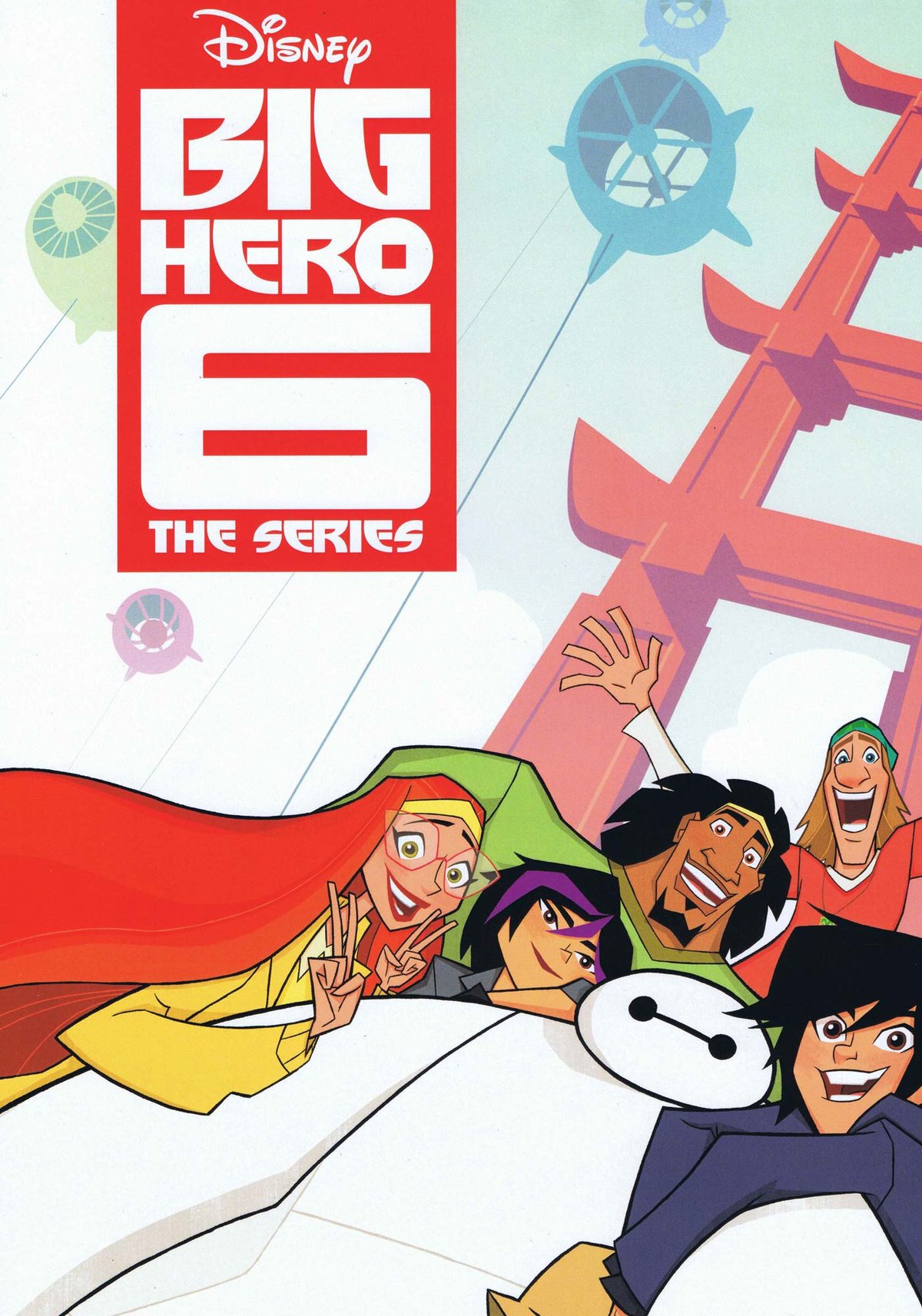
- Big Hero 6: The Series (2017–2021): Three seasons, 56 episodes on Disney XD/Disney Channel.
- Baymax! (2022): Six episodes on Disney+, notably the first TV series produced by Walt Disney Animation Studios.
- Live-Action Rumors: Unconfirmed reports about Disney "considering" a live-action adaptation, possibly integrated into the MCU, have circulated in 2024–2025. These are currently fan-driven and not officially confirmed.
- Creative Control: Any significant future projects, especially a sequel or live-action film, would likely require the interest of the original creative team, particularly Don Hall, according to producer Roy Conli.
- Streaming Home: The original Big Hero 6 movie is available to stream on Disney+.
The Origin Story: Why Big Hero 6 Struck a Chord
Released on November 7, 2014, Big Hero 6 wasn't just another animated film; it was a pioneering blend of Walt Disney Animation Studios' signature heart and storytelling with the action-packed, diverse world of Marvel Comics. Co-directed by Don Hall and Chris Williams, and produced by Roy Conli, the film introduced us to the vibrant, futuristic metropolis of San Fransokyo—a dazzling fusion of Eastern and Western cultures.
The story centers on Hiro Hamada, a young robotics prodigy, who, after a tragic loss, finds an unlikely friend and guardian in Baymax, an inflatable healthcare companion. Together with a diverse group of college friends—Go Go Tomago, Wasabi, Honey Lemon, and Fred—Hiro forms a high-tech superhero team. The film beautifully explored themes of grief, friendship, innovation, and what it truly means to be a hero, resonating deeply with audiences of all ages.
Its impact was immediate and profound. Big Hero 6 garnered widespread critical acclaim for its stunning visuals, engaging characters, emotional depth, and thrilling action sequences. It wasn't just a critical darling; it was a commercial powerhouse, grossing over $650 million worldwide. This success was capped off with the ultimate industry recognition: winning the Best Animated Feature award at the 87th Academy Awards. This combination of artistic achievement, box office success, and cultural relevance laid a strong foundation for a franchise, making its subsequent journey all the more intriguing.
A Recipe for Success: What Made the Original Film Shine
The magic of Big Hero 6 wasn't accidental. It resulted from several key ingredients:
- Emotional Core: The bond between Hiro and Baymax, rooted in dealing with loss, provided a powerful, universally relatable emotional anchor. Baymax’s unconditional care and Hiro’s journey through grief were particularly impactful.
- Unique Aesthetic: San Fransokyo itself was a character, a visually stunning setting that felt fresh and imaginative, perfectly blending familiar elements with futuristic fantasy.
- Diverse, Relatable Characters: The ensemble cast of heroes, each with distinct personalities, skills, and quirks, offered someone for everyone to connect with. Their scientific prowess and teamwork were inspiring.
- Action & Adventure: Drawing on its Marvel roots, the film delivered exciting superhero action, powered by creative gadgets and well-choreographed sequences.
- Innovation at its Heart: The film celebrated science, engineering, and robotics, making intelligence cool and inspiring younger audiences to explore STEM fields.
With such a strong foundation, the expectation for a theatrical sequel seemed almost inevitable. Yet, here we are, years later, discussing a future without one.
The Elusive Sequel: Why No "Big Hero 7" Film?
Despite the overwhelming success and critical acclaim of the first movie, a direct cinematic sequel to Big Hero 6 has never materialized. This isn't for lack of fan demand; it's a strategic creative decision rooted in the preferences of the original filmmaking team.
Producer Roy Conli has openly stated that the decision to pursue a theatrical sequel primarily rests with co-director Don Hall. Hall, a celebrated figure at Walt Disney Animation Studios, has a strong inclination to work on new and original properties rather than revisiting existing ones. This creative philosophy, while perhaps disappointing to fans eager for another big-screen adventure, is a testament to Disney Animation's ongoing commitment to innovation and fresh storytelling.
Think of it this way: for a studio of Disney Animation's caliber, producing a sequel isn't just about cashing in on a successful brand. It requires the same passion, vision, and dedication as an original film, if not more, to avoid simply rehashing past glories. If the core creative architects aren't emotionally invested in continuing that specific story on the big screen, the magic might not translate. This perspective prioritizes artistic drive over commercial imperative, a hallmark of studios that consistently push creative boundaries. For a deeper dive into the fan demand and potential behind a sequel, you might want to read All about 2 Big Hero 6.
The "New Properties" Philosophy: A Double-Edged Sword
This approach—favoring new IPs over direct sequels—has been a defining characteristic of Walt Disney Animation Studios for a significant period. While it has given us fantastic original films like Zootopia, Moana, and Raya and the Last Dragon, it naturally leaves some beloved characters without a direct continuation on the silver screen.
Benefits of this philosophy:
- Fresh Storytelling: Encourages constant innovation and diverse narratives.
- Avoids Stagnation: Prevents franchises from feeling creatively exhausted.
- Develops New Talent: Provides opportunities for different directors and storytellers to lead projects.
Drawbacks from a franchise perspective: - Fan Disappointment: Leaves audiences craving more of their favorite characters and worlds.
- Untapped Potential: High-performing IPs might not reach their full big-screen potential.
- Lost Momentum: Long gaps between projects can dilute brand recognition.
Ultimately, while Disney's strategy has been successful in terms of generating new hits, it means fans shouldn't hold their breath for a Big Hero 6 theatrical sequel unless Don Hall's creative interests shift dramatically.
The Small Screen Triumphs: Expanding the Universe Through Television
While a film sequel never materialized, the Big Hero 6 universe found a vibrant new home on television, proving the franchise's adaptability and enduring appeal. These spin-offs allowed the creative team to delve deeper into the characters and world of San Fransokyo, offering fans new adventures without the pressure of a theatrical release.
Big Hero 6: The Series (2017–2021)
Three years after the original movie, Big Hero 6: The Series premiered on Disney XD and later moved to Disney Channel, picking up right where the film left off. Running for three seasons and a total of 56 episodes, the series explored the ongoing adventures of Hiro, Baymax, and the team as they balanced their lives as college students at the San Fransokyo Institute of Technology with their secret identities as crime-fighting superheroes.
The series excelled at maintaining the movie's core spirit while expanding its scope. It introduced a host of new villains, quirky supporting characters, and explored more of San Fransokyo. The animation style was adapted for television, offering a slightly different, more traditional 2D look that still captured the essence of the film's character designs.
Key Contributions of the Series:
- Character Development: Allowed for deeper exploration of each team member's personality, relationships, and individual challenges.
- World-Building: Expanded San Fransokyo, revealing new districts, scientific institutions, and subcultures.
- Consistent Tone: Successfully blended action, comedy, and emotional beats, staying true to the movie's heartwarming yet thrilling tone.
- New Mythology: Introduced a rogues' gallery of villains and explored the city's criminal underworld, giving the heroes fresh challenges.
The series served as a fantastic continuation for fans, keeping the flame of Big Hero 6 alive and introducing the characters to a new generation of viewers through the episodic format.
Baymax! (2022): Walt Disney Animation Studios Enters Streaming TV
Perhaps the most significant television development came with Baymax!, a six-episode series released exclusively on Disney+ on June 22, 2022. What makes this series particularly notable is that it marked the first television series ever produced by Walt Disney Animation Studios. This was a major shift for the studio, which traditionally focused solely on feature films.
Baymax! took a different approach from the main Big Hero 6 series. Instead of grand superhero adventures, it focused on Baymax's original directive as a healthcare companion. Each episode saw Baymax assisting a different resident of San Fransokyo with various ailments, both physical and emotional, often leading to humorous and heartwarming outcomes. Hiro Hamada makes appearances, but the spotlight is firmly on Baymax and his mission to help others.
Why Baymax! Was Significant:
- Studio Milestone: Signified Walt Disney Animation Studios' strategic entry into direct-to-streaming episodic content, potentially paving the way for more spin-offs from their other feature films.
- Return to Roots: Reemphasized Baymax's core identity as a compassionate healthcare provider, showcasing his gentle nature and problem-solving skills in everyday situations.
- Episodic Charm: Each self-contained episode offered a delightful, low-stakes look at the positive impact Baymax has on the community, reinforcing the character's beloved traits.
- Visual Continuity: Maintained a visual style much closer to the original feature film, offering a premium animated experience for streaming audiences.
Both television series have successfully expanded the Big Hero 6 narrative, offering different facets of the universe and keeping the characters relevant and beloved in the hearts of fans. They demonstrate the power of the franchise to adapt and thrive beyond the theatrical circuit. The original movie, a cornerstone of this expansion, is readily available to stream on Disney+ for anyone wanting to revisit its origins or introduce it to new viewers.
The Live-Action Quandary: Rumors, Hopes, and Hurdles
In the ever-churning rumor mill of Hollywood, few things generate as much buzz as the prospect of a beloved animated property getting a live-action adaptation. For Big Hero 6, these rumors have picked up steam in 2024–2025, with whispers about Disney "considering" a live-action film, potentially even integrating it into the Marvel Cinematic Universe (MCU). But how much weight do these rumors carry?
Currently, the buzz largely originates from fan-oriented sites and social media speculation. As of now, no authoritative outlets or official Disney spokespeople have confirmed any active production or release plan for a live-action Big Hero 6 movie. This means, despite the excitement, these remain unverified rumors.
Producer Roy Conli, who was instrumental in the original film's success, has consistently reiterated that any future projects for Big Hero 6, including a potential live-action remake, would heavily hinge on the original creative team's interest—specifically Don Hall's. This echoes the sentiment regarding a theatrical animated sequel and signals that there isn't an immediate, studio-driven remake pipeline for Big Hero 6 independent of its creators' buy-in.
Fan Reactions: Enthusiasm Mixed with Skepticism
The idea of a live-action Big Hero 6 generally sparks positive reactions among fans. The film's unique aesthetic, diverse cast, and blend of superhero action with emotional depth make it seem like a natural fit for live-action. Imagine San Fransokyo realized in stunning detail, or the dynamic action sequences brought to life with practical and visual effects.
However, this enthusiasm is tempered with significant skepticism and genuine concerns:
- Translating Baymax: This is arguably the biggest hurdle. Baymax's design and movement are intrinsically tied to animation. How would a live-action Baymax look and move without losing his warmth, innocence, and inflatable charm? A fully CGI character could work, but maintaining his tactile, huggable quality would be crucial.
- Tone: The original film deftly balanced lighthearted humor, poignant emotional moments, and intense action. Replicating this delicate tonal balance in live-action without veering into overly grim territory or feeling too childish would be a challenge.
- Casting: Finding the right young actors to embody Hiro, Go Go, Wasabi, Honey Lemon, and Fred, while maintaining the diverse representation of the original, would be critical. Chemistry among the cast is paramount.
- San Fransokyo: The city is a character in itself. Recreating its unique East-meets-West, futuristic vibe without it feeling generic or overly synthetic would require immense effort and vision.
- MCU Integration: While intriguing, folding Big Hero 6 into the MCU presents its own set of complexities. The animated film exists in its own distinct universe. Aligning its story, powers, and timeline with the established MCU could force compromises that dilute the original's charm. Would it be a hard reboot, a soft introduction, or an alternate universe story?
For Disney, a live-action Big Hero 6 would be a significant undertaking, requiring a clear vision that respects the original while justifying its existence in a new format. It’s not just about what can be done, but what should be done to honor the beloved property. Until an official announcement emerges, these discussions remain firmly in the realm of "what if."
The Enduring Appeal: Why "Big Hero 6" Matters
Beyond the specific projects and rumors, the very fact that discussions about the Big Hero 6 franchise's future persist nearly a decade later speaks volumes about its enduring appeal. Why does this particular story continue to captivate audiences and inspire calls for more?
- Timeless Themes: The film tackles universal experiences—grief, brotherhood, friendship, self-discovery, and the pursuit of justice—in a way that resonates across cultures and generations. Hiro's journey from a lost teenager to a selfless hero, guided by the unwavering compassion of Baymax, is deeply moving.
- A Hero for Everyone: The team itself is a vibrant tapestry of intellect, courage, and diversity. Each member contributes unique skills and perspectives, showcasing the power of collaboration and different forms of intelligence. This makes the heroes relatable and aspirational to a wide audience.
- Optimistic Futurism: San Fransokyo presents a vision of the future that is both technologically advanced and culturally rich. It's a world where science and innovation are celebrated, inspiring viewers to imagine the possibilities of what humanity can achieve.
- The Baymax Factor: Baymax himself has become an icon. His gentle nature, unyielding care, and hilarious physical comedy make him one of Disney's most beloved characters. He embodies the idea that true strength lies in compassion and empathy, and his presence alone is a comfort.
- Unique Blend of Genres: The film's seamless blend of heartfelt Disney storytelling with dynamic Marvel superhero action created a unique cinematic experience. It proved that these two seemingly disparate worlds could not only coexist but enhance each other.
The legacy of Big Hero 6 isn't just in its box office numbers or awards; it's in the way it touched hearts and inspired minds. It solidified its place as a modern classic, a story that continues to offer comfort, excitement, and a little bit of healing to those who watch it.
What Does the "Future" Truly Mean for Big Hero 6?
Given the insights into the creative team's preferences and the nature of Disney's operations, what can we realistically expect for the Big Hero 6 franchise moving forward?
- Continued Streaming Presence: The original movie and both TV series will remain staples on Disney+, allowing new audiences to discover the franchise and existing fans to revisit it. This passive exposure helps keep the brand alive.
- Merchandise and Theme Park Integration: As with most successful Disney properties, Big Hero 6 will likely continue to see merchandise releases and potential integration into theme park experiences or events, leveraging the characters' popularity without requiring new story content.
- Potential for Further Streaming Series: Given the success of Baymax! as Walt Disney Animation Studios' first TV series, it's not out of the question that more short-form or episodic content centered around the Big Hero 6 universe could emerge. These might focus on other characters, explore different facets of San Fransokyo, or delve into new slice-of-life adventures. This would align with Disney+'s ongoing need for exclusive content.
- The "Uncertain" Big Projects: While a theatrical sequel or live-action film remains unconfirmed and contingent on the original creative team's interest, the door is never entirely closed in Hollywood. However, until official announcements are made, fans should manage expectations and not treat rumors as definite plans. A major film project would need a compelling story, a willing creative lead, and a strong strategic reason for Disney to invest.
The story of Big Hero 6 is a prime example of how a successful film can evolve beyond its initial format, finding new life and reaching different audiences through various media. Whether on the big screen or the small, the heart of the franchise—its characters, its themes, and its world—will undoubtedly continue to resonate. The future of Big Hero 6 might not be paved with immediate blockbusters, but it certainly holds the promise of continued engagement and the enduring magic that made us fall in love with Hiro, Baymax, and their team in the first place.